
Bone Grafting

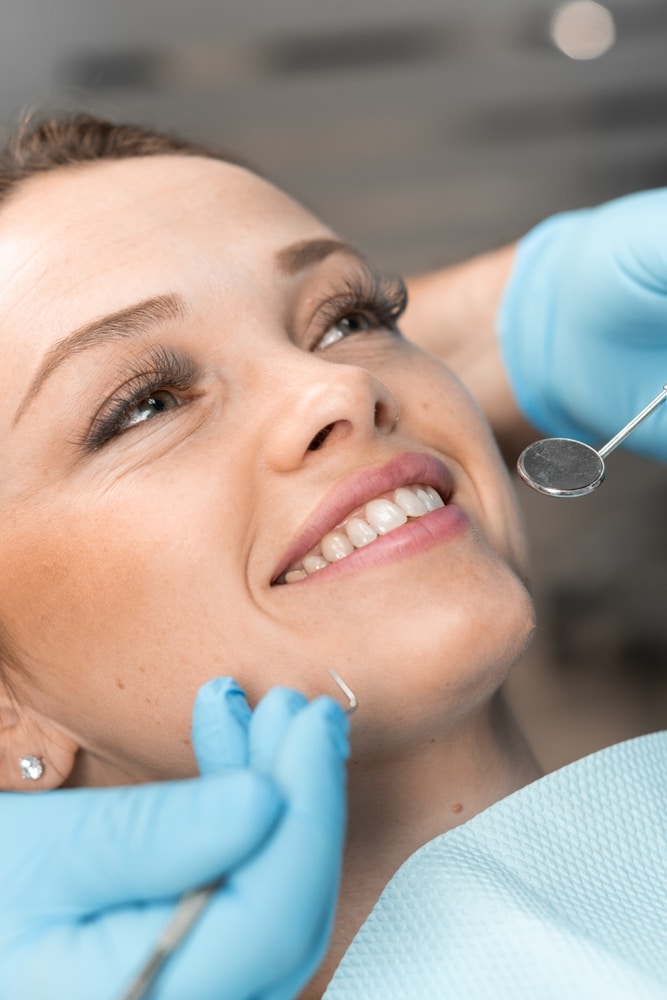

At Kincaid Family Dental in Broken Arrow, we understand the importance of maintaining a healthy and beautiful smile. Cavities, tooth decay, and damaged teeth can compromise both your dental health and confidence. That’s where dental fillings in Lake Hickory come in. Under the expert care of Dr. Matt Kincaid, we provide high-quality dental fillings to restore the function and appearance of your teeth. Whether you’re dealing with a small cavity or a larger area of decay, our dental filling services will help you regain your oral health and keep your smile looking its best.
Why Jaw Bone Loss Is Worth Addressing Early
When a tooth is lost, the bone that once supported it no longer receives stimulation, so the body gradually reabsorbs it. Over time, this can cause:
- Shifting of surrounding teeth into the gap.
- Changes in facial structure, particularly around the cheeks and chin.
- Reduced bone volume, which makes dental implants harder to place.
- Poor fit with dentures or partials as the ridge continues to shrink.
The longer bone loss goes unaddressed, the more complex treatment becomes. Bone grafting gives us a way to rebuild what’s been lost and restore a stable base for whatever comes next.
What Bone Grafting in Broken Arrow Actually Involves
A bone graft places material, often donor bone or a synthetic equivalent, into the area where your jawbone has thinned. Over the following months, your body integrates that material and builds new bone around it. The process is more straightforward than most patients expect.
At Kincaid Family Dental, here’s what a typical visit looks like:
- We review your X-rays and discuss how grafting fits into your overall treatment.
- The area is numbed, so you stay comfortable throughout the procedure.
- Bone material is gently placed and secured at the graft site.
- We go over recovery instructions before you leave, including what to eat and what to watch for.
Most patients experience only mild soreness for a few days, which can be easily managed with over-the-counter pain relief. Healing typically takes four to six months before the site is ready for an implant, though this varies by individual.
Who Benefits from Bone Grafting
Bone loss is more common than most people realize. Gum disease, tooth extraction, injury, and even long-term denture use can all contribute to a shrinking jawbone. Patients who want dental implants but have been told they don’t have enough bone are often ideal candidates for grafting. So are patients who want to preserve bone volume after an extraction, even if they haven’t yet decided on a replacement.
As part of our restorative dentistry services, bone grafting supports implant placement and long-term tooth replacement planning. Dr. Matt Kincaid reviews each patient’s bone density, overall health, and treatment goals before recommending a course of action. There’s no one-size-fits-all answer here, and we take that seriously.
It’s also worth noting that younger patients sometimes need grafting too. If a permanent tooth never developed, the bone in that area may never have fully formed. Our pediatric dentistry team can evaluate whether early intervention makes sense in those cases.
Keeping Your Long-Term Oral Health on Track
Bone grafting doesn’t exist in isolation. It’s one part of a broader approach to keeping your mouth healthy over time. Patients who stay current with dental cleanings and preventative dentistry are less likely to experience the bone loss that makes grafting necessary in the first place. For those already dealing with bone loss, grafting opens the door back to a full range of restorative options.
If cost is a concern, our in-house savings plan can make treatment more accessible, and we’re happy to walk through what’s covered during your consultation.
Common Questions About Bone Grafting
Does it hurt? Most patients report mild soreness for a few days. The procedure itself is done under local anesthesia, so discomfort during the visit is minimal.
How long does healing take? Four to six months is typical before an implant can be placed, though your timeline may differ based on how your body heals.
Can I get a graft if I’ve had bone loss for years? In many cases, yes. We assess each situation individually to determine what’s possible.
Do I have to commit to implants? No. Some patients get a bone graft after extraction simply to preserve their options. What you do next is always your choice.
Get Honest Answers at Kincaid Family Dental
If you’ve been told you need bone grafting in Broken Arrow, or you’re wondering whether it’s the right move after a recent tooth loss, we’d rather you come in with questions than sit with uncertainty. Our team is here to give you a clear picture of what your jaw looks like now and what’s realistic going forward. Schedule a consultation at our Broken Arrow location and leave with a plan, not just a pamphlet.